
Jonathan P. Velotta, PhD, Associate Professor. Co-Director of the Biodiversity Research Institute

Jon is an evolutionary ecologist whose research merges physiological ecology, genomics, and population genetics. He is driven by a desire to understand how animals work and the mechanisms by which they adapt to their environment. He loves vertebrates and studies both fish and mammals.
Peter Nimlos, PhD Candidate

Peter studies the genomics and physiology of deer mice at high elevations. He focuses on the mechanisms of gene regulatory evolution and convergence using multiple high-elevation species. When not on campus, you can find him biking, hiking, or skiing in the Colorado mountains.
Lacey Conrad, PhD Candidate

My research interests lie at the intersection of evolutionary physiology, molecular biology, and computational biology. I am especially interested in understanding how adaptive genetic variation propagates across biological levels, from changes in gene regulation to the phenotype. When I finish my PhD, I hope to start a lab where I can not only continue working on these topics but also bring computational methods into the training of young biologists to better prepare them for today’s data-driven workforce. In my free time, I read, cook, entertain my houseful of cats and dogs, hike, and play computer and tabletop games.
Sarah Senese (she/her), PhD candidate
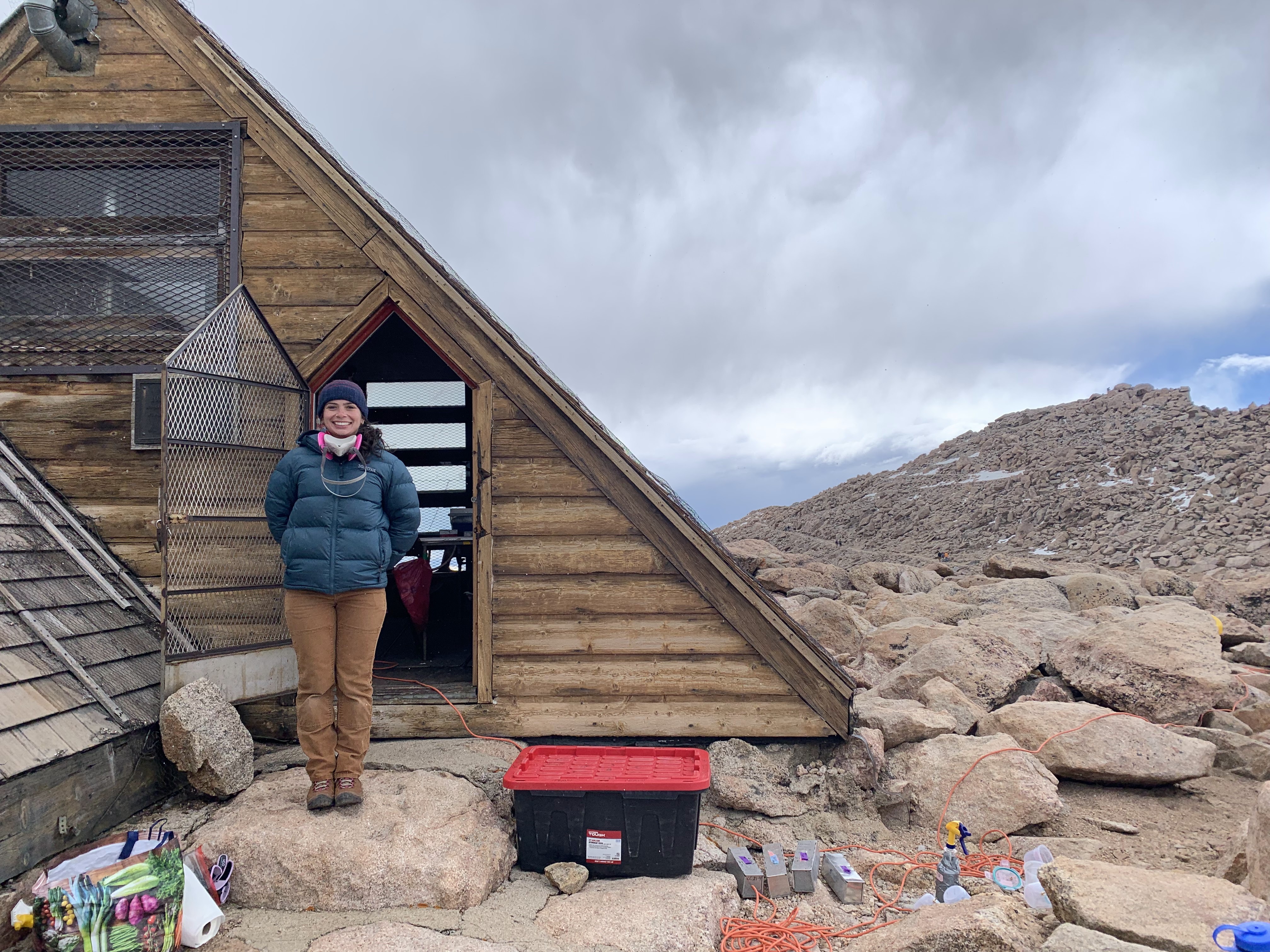
I’m fascinated by how organisms adapt to their environments—physiologically, genetically, and ecologically—and by the partners, both harmful and helpful, that shape those adaptations. Using deer mice and their botfly parasites as a model system, I ask how infection shapes survival, physiology, reproduction, and fitness, and how the genome responds to that challenge. But not all partnerships are costly: I’m also investigating the metabolites and bacteria that help deer mice thrive at extreme elevations, asking which microbial allies contribute to their metabolic success. When not on campus, you can find me catching mice on Mt. Blue Sky, drinking coffee, mentioning I’m from New York, or teaching yoga.
Emily Tarnawa, MS student
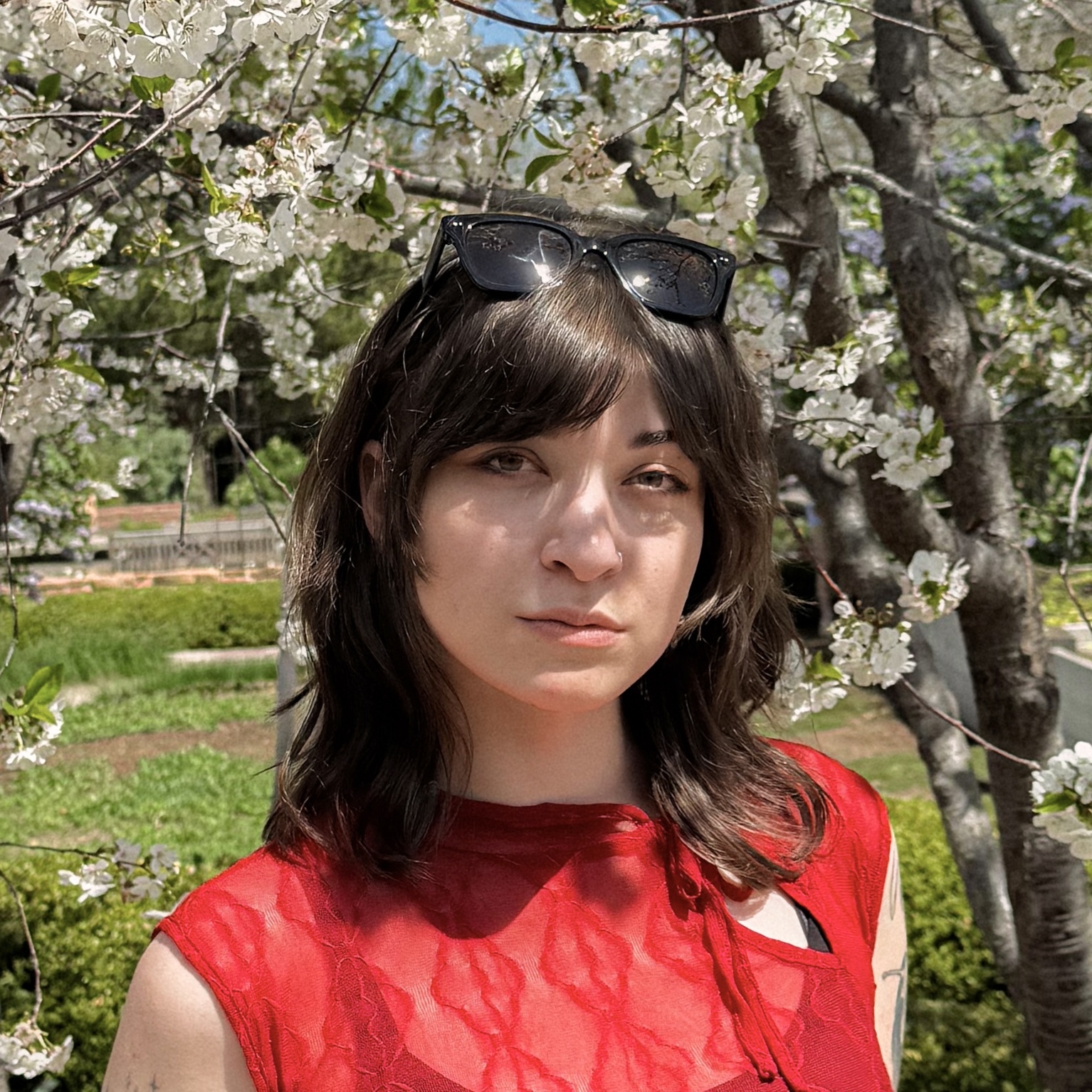
For her master’s thesis, Emily is studying the osmoregulatory mechanisms of anadromous alewives, focusing on how juveniles physiologically prepare for their seaward migration. Using a combination of field and lab work, she is addressing this question by examining shifts in renal and branchial morphology across juvenile alewife development. Previously, she earned her bachelor’s degree in Environmental Studies from the Massachusetts College of Liberal Arts. When she’s not looking at histological images, you can find her painting, watching movies, or making ceramics.
Madison Tatro, Laboratory Technician
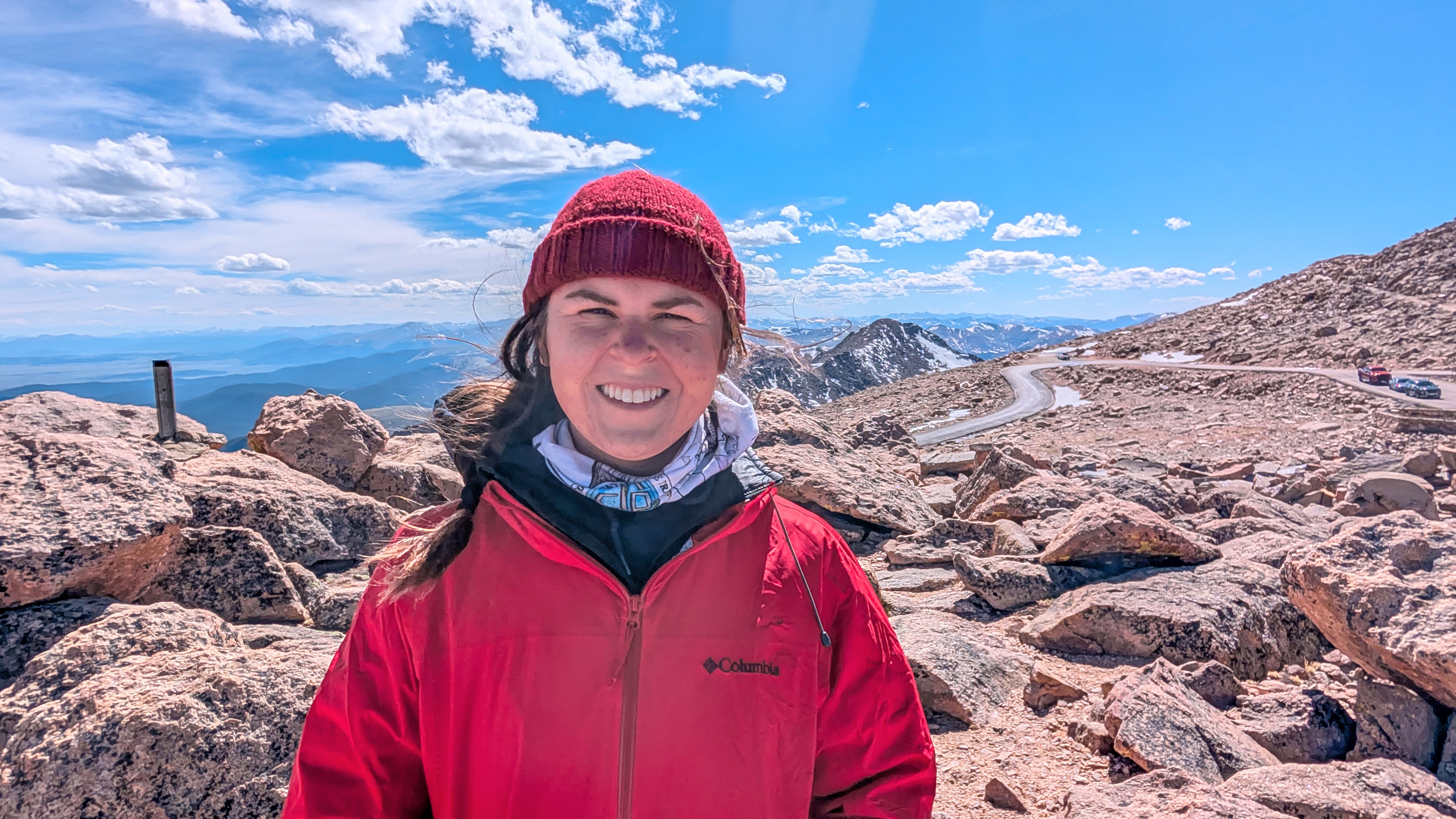
Madison, originally from Southern Vermont, earned her bachelor’s degree in Natural Resource Conservation with a concentration in Wildlife Management from the University of Massachusetts Amherst. After graduating, she relocated to Denver, CO in 2024 to work as a field technician. Madison returned to the lab 2025 and is currently working on many projects including culturing mice pulmonary endothelial cells and managing the mice colony in preparation for acclimation treatments. In her free time, she enjoys hiking, reading, and spending time with her two dogs, Finn and Ferb.
2026 Team Botfly Field Technicians
Sam Kruczek & Lily Waldman
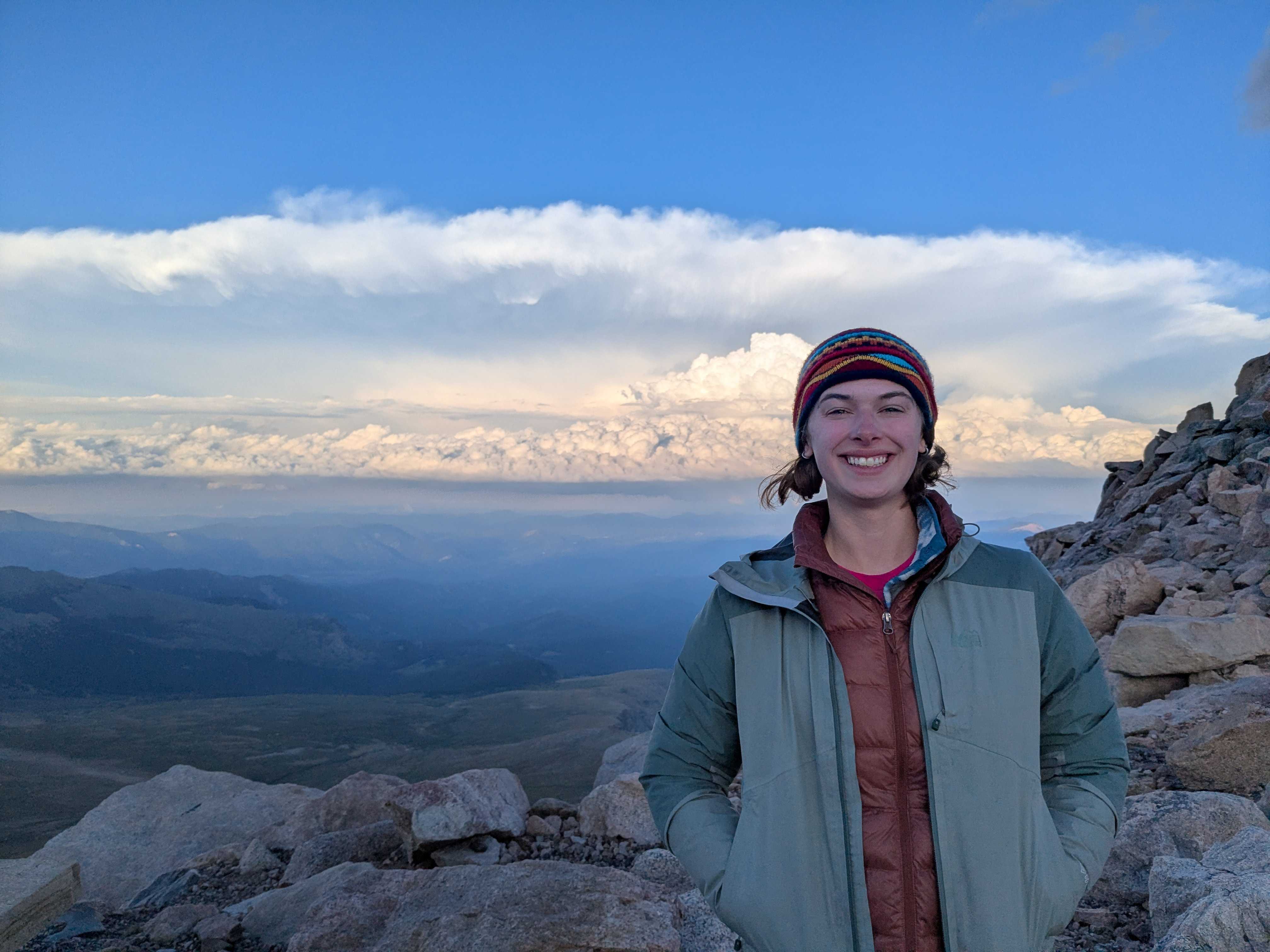
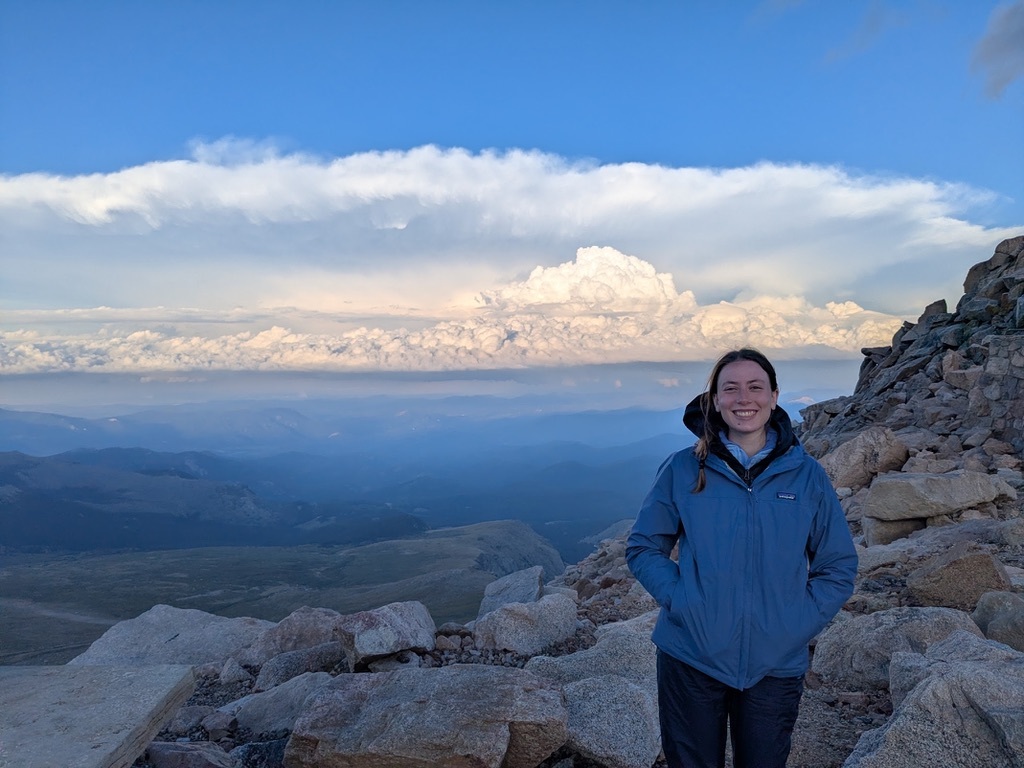
Undergraduate researchers
Lilou Cabrol, DU undergradudate
Benjamin Snow, DU undergraduate
Elsa Westenfelder, DU undergraduate
Mars Atchison, DU Undergraduate
Alyncia Thompson, DU undergraduate
Lab Alumni: Gone But Never Forgotten
Emma S. Glenn. Now a PhD student at Georgia Tech
Riley M. Corcoran, MS. Now a research technician at CU
Kelsie Hunnicutt, PhD. Now a postdoc at Stanford University. Website.
Mimi Morrison, Field Technician 2025
Alex Chua, Field Technician 2025
Ukari Verner, DU Class of 2026
Henry Seebeck, DU Class of 2026
Jose Ornelas, DU Class of 2025
Lisa Dar, DU class of 2024
Maverick Bartholomew, DU class of 2024
Nicole Choi, DU Class of 2023
Jill Lewis, DU Class of 2022
Dutch, Lab Ambassador of Artificial Selection
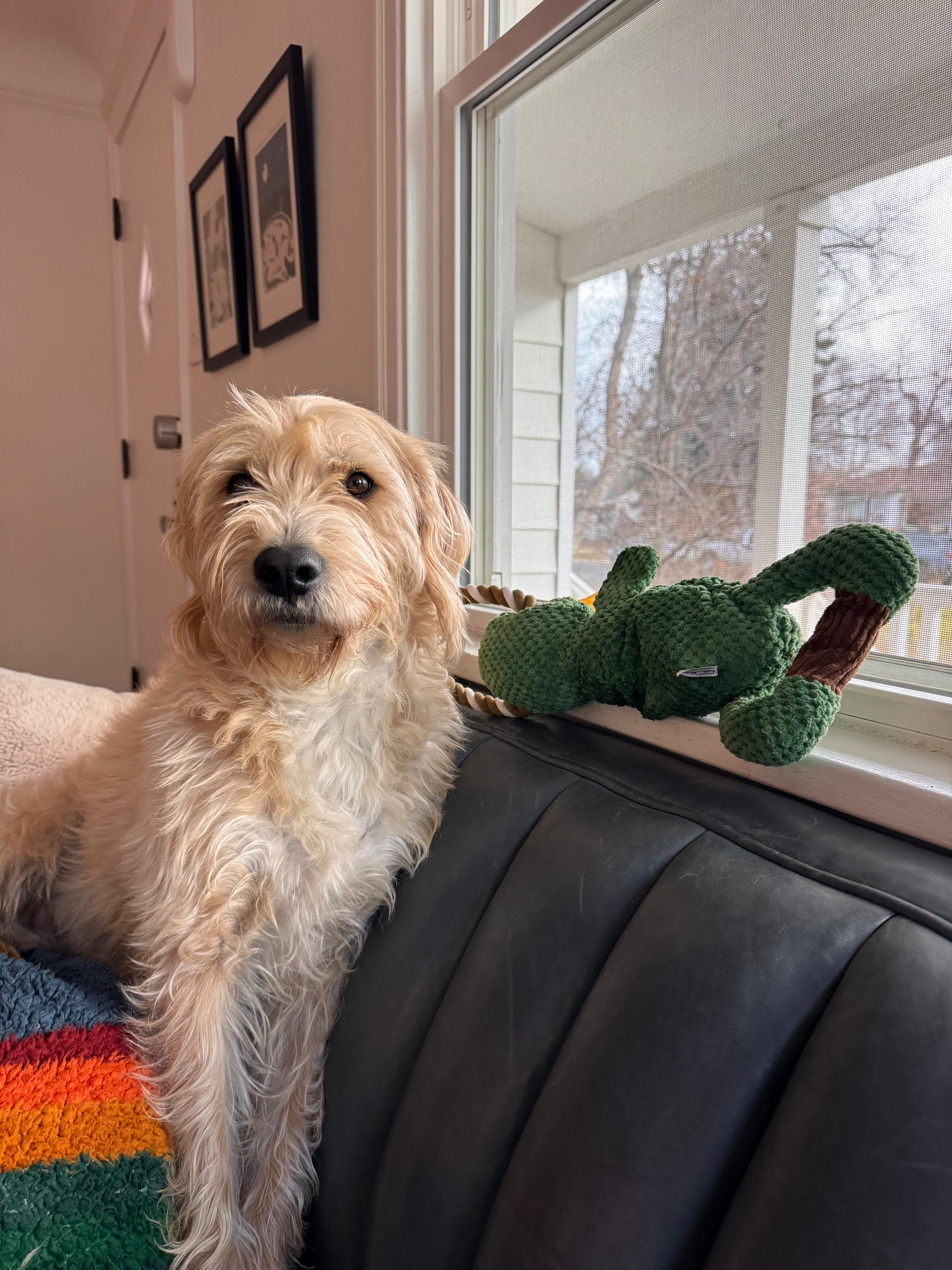
Dutch has varied interests, including destroying toys, eating sticks, fetching balls, and sleeping. He is a mix of at least 8 breeds and thus is himself an experiment in canine genetics and artificial selection. He is currently most devoted to his work of jumping on unsuspecting visitors to his domain.

